

Long before you learned to walk, crawling helped organize your nervous system. It taught your brain how to coordinate the left and right sides of your body, stabilize your trunk, integrate vision with movement, and build the foundation for efficient balance and mobility. It wasn't simply a milestone...

We often think of our brain as existing inside our head, separate from the world around us. In reality, your brain is in constant conversation with your environment. Every object, every sound, and every visual detail become sensory information that your brain must process. Much of this happens autom...

Many active people reach a point where they begin noticing subtle shifts in their body that feel difficult to explain. Recovery takes longer than it used to. Movement feels stiffer some mornings. Energy becomes less predictable. Small aches linger longer. Stress seems to affect the body more quickly...
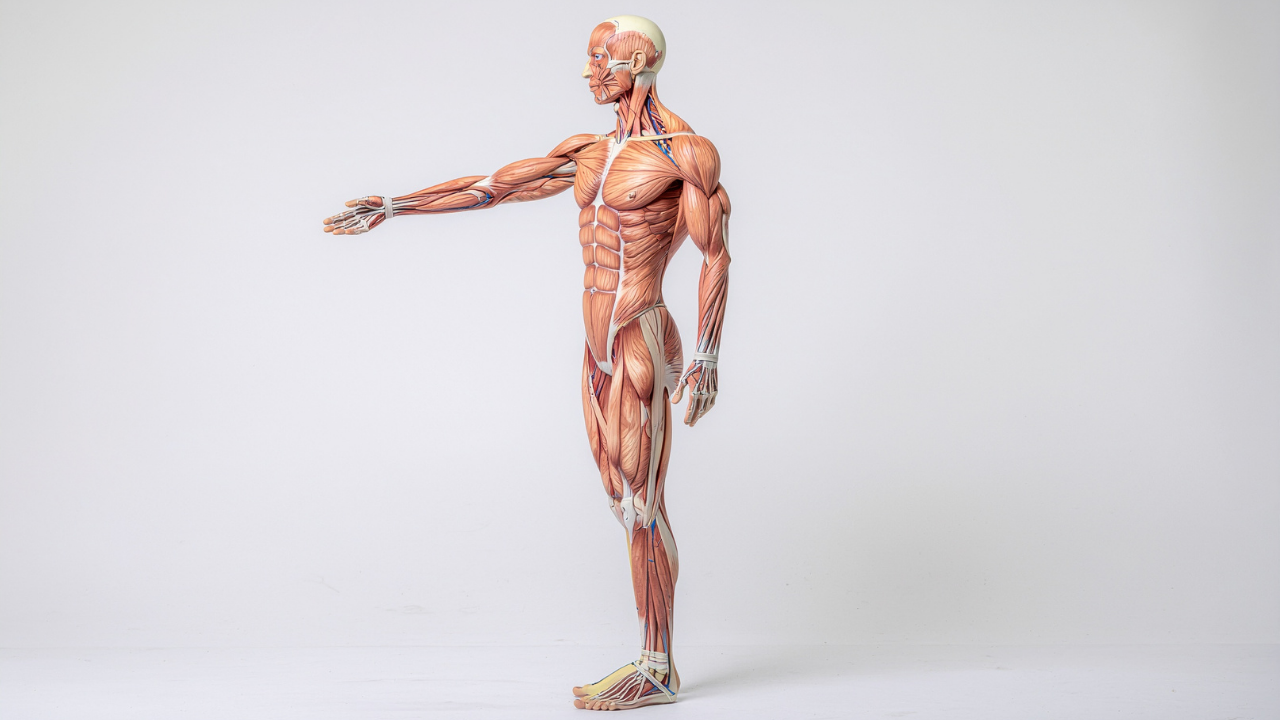
In recent years, fascia has become a popular topic in the health and fitness world, although much of the discussion tends to swing between extremes. Some approaches treat fascia as almost mystical, while others reduce it to a simple tissue problem that needs to be aggressively stretched, rolled, or ...

Most people think about health in terms of exercise, nutrition, sleep, or stress management. Those things absolutely matter. But one of the most overlooked influences on the brain and nervous system is something we interact with every moment of the day: the environment around us.
The light we wake ...

Most people think about joint mobility exercises as something purely physical. A way to loosen tight hips, improve flexibility, reduce stiffness, or prepare the body for movement. And while mobility work can certainly help with all of those things, that perspective is often incomplete.
Joint mobili...

Most people think a good night routine is primarily about discipline. They focus on removing screens, taking supplements, drinking herbal tea, or finding the perfect bedtime. While some of those strategies can certainly support better sleep, they often miss the deeper issue: the state of the nervous...

Sleep is not something you can pressure your body into doing. It is a reflection of how your brain and nervous system perceive safety, recovery, rhythm, and predictability. The body does not simply "shut off" because you decide it is bedtime. The brain has to perceive that the conditions are right b...

Supplements cannot “fix” the body, but they may help support some of the foundational systems involved in regulation, recovery, energy production, and long-term resilience. The key is understanding that supplements work within systems. They are not replacements for sleep, movement, nutrition, stress...
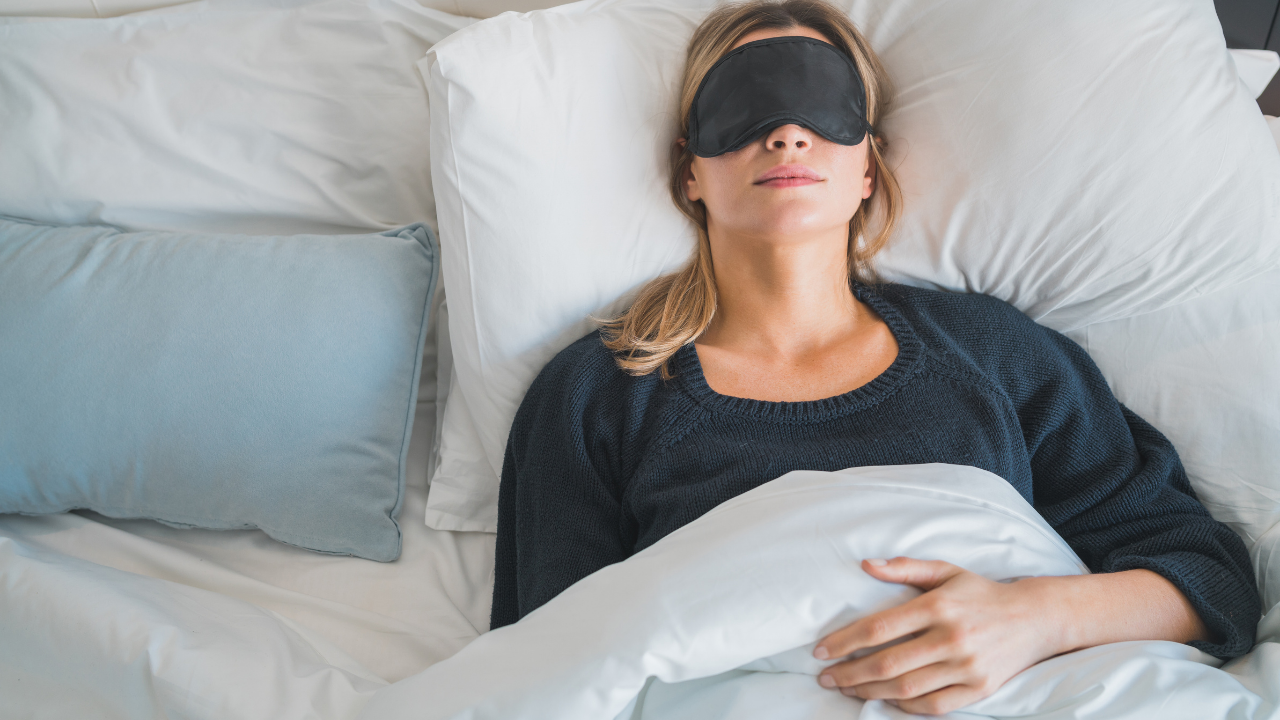
Waking up in the middle of the night can feel strangely unsettling. You open your eyes, glance at the clock, and you feel awake mentally while your body still feels exhausted. Sometimes your thoughts begin racing instantly. Other times, there is simply a quiet sense of alertness that should not be t...

Most people think a morning routine is about productivity. Wake up earlier, drink water, exercise, meditate, and get more done. But from a neuroscience perspective, your morning routine is doing something much deeper than helping you “start the day right.” It is shaping the state of your nervous sys...
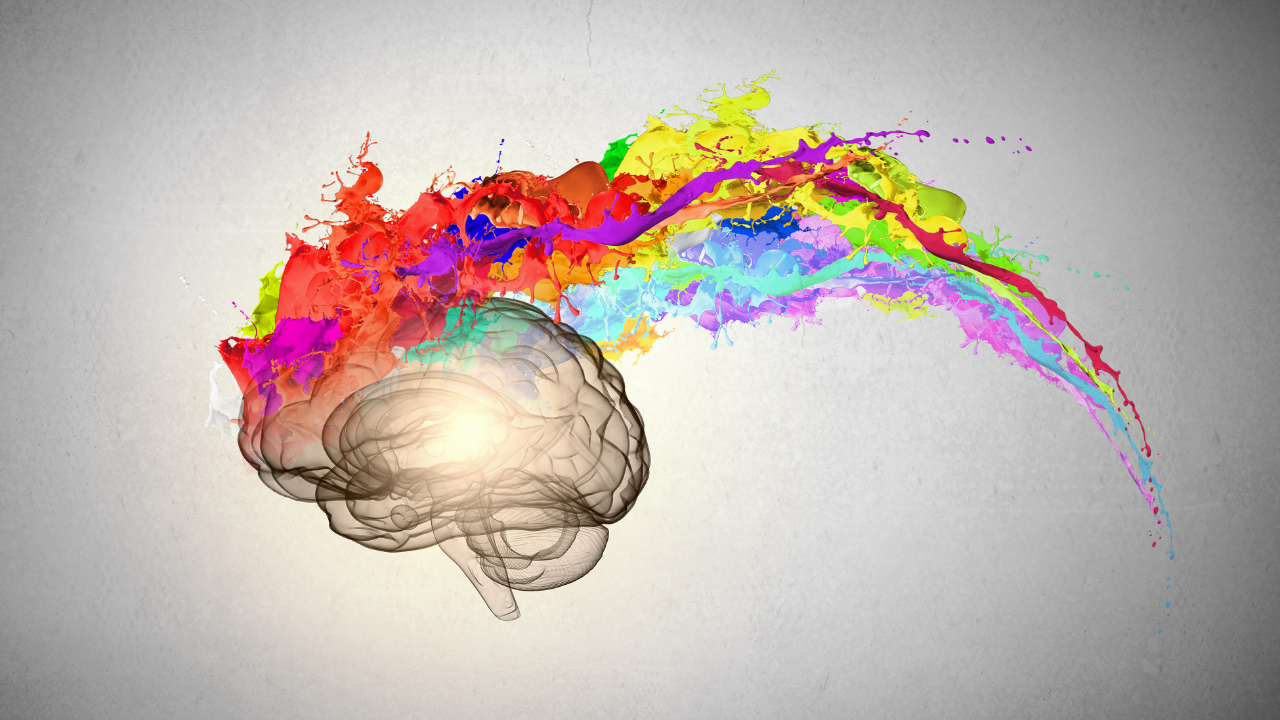
Most people associate art with skill. Drawing, painting, music, or writing are often seen as abilities you either have or don’t. But from a neuroscience perspective, the value of creativity lies in the process rather than the outcome. What matters is how your brain engages while you are doing it. Cr...
